We all know that spending time in nature makes us feel better, but scientists are increasingly discovering that forests may benefit our bodies in ways we never imagined. According to Stress Reduction Theory, developed by Dr Roger Ulrich, positive natural environments can trigger powerful physiological responses, helping us recover from the effects of stress and supporting our overall wellbeing.
When we walk among trees, our parasympathetic nervous system—the body’s “rest and restore” mode—is activated. This helps lower stress levels, improves digestion and allows the body to replenish its energy reserves. As modern lifestyles continue to fuel chronic illness, these natural restorative effects are becoming more important than ever.
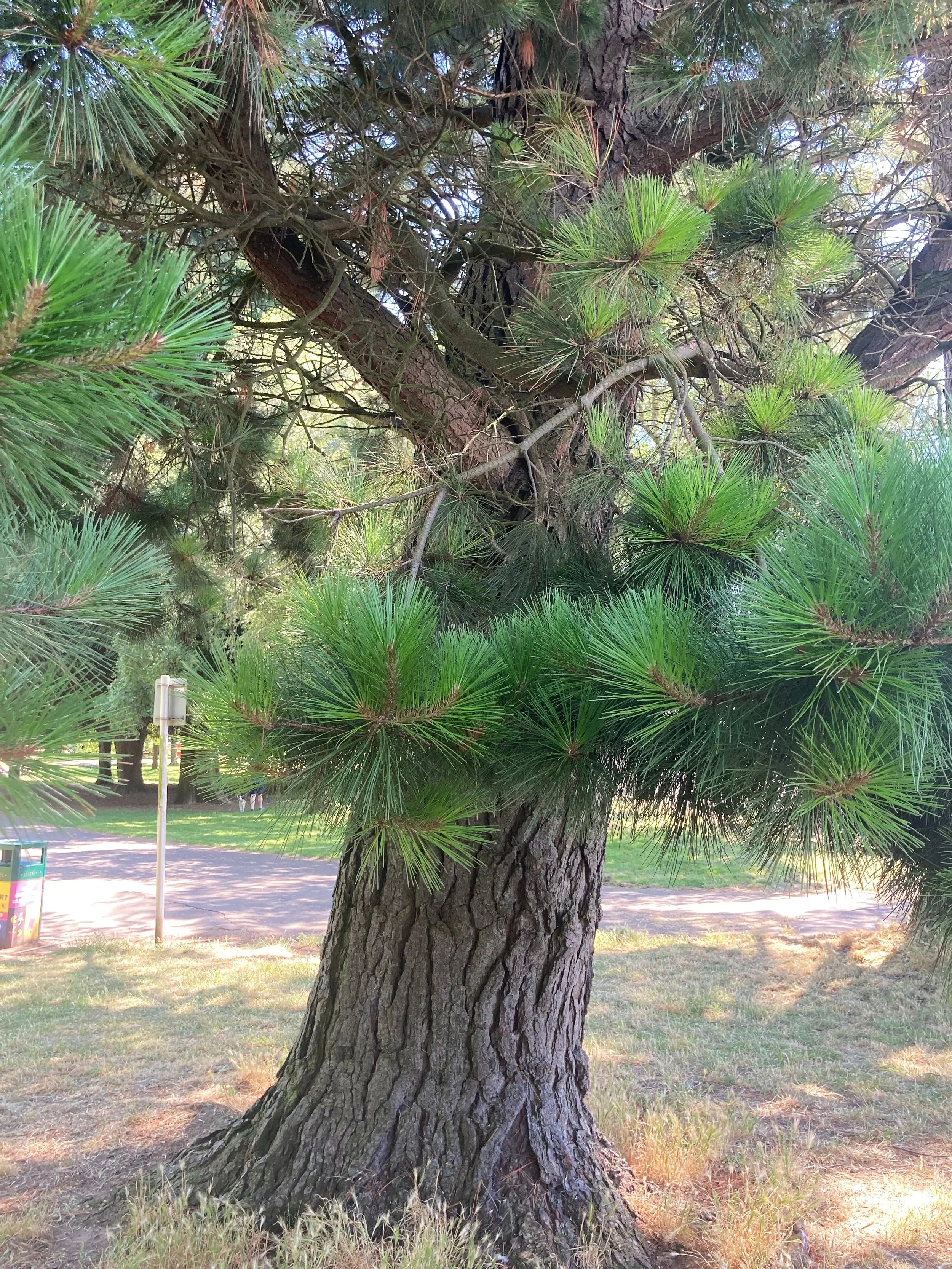
One of the most remarkable health benefits of forests comes from phytoncides, the wood essential oils released by trees. These natural compounds, which include α-pinene, β-pinene and limonene, protect trees from bacteria and insects, but they also appear to have surprising effects on human health. Douglas fir trees, for example, are particularly rich in these fragrant oils.
Research has shown that breathing in these woodland scents can influence the nervous, endocrine and immune systems. In one study, citrus fragrance rich in limonene improved immune function and helped regulate hormone levels in patients with depression, reducing their need for antidepressant medication. Scientists believe that these natural aromas may help restore balance within the body.
Forest medicine researcher Dr Qing Li has spent decades investigating the impact of “forest bathing”, or Shinrin-yoku. His studies suggest that phytoncides boost the activity of natural killer (NK) cells—specialised white blood cells that help defend us against disease. Some evidence even indicates that just a couple of hours spent in a forest can strengthen immune function for weeks afterwards.
Wood oils also appear to reduce stress hormones such as adrenaline, noradrenaline and cortisol, which are linked to high blood pressure. Far from being simply beautiful places to visit, forests may offer a natural prescription for relaxation, resilience and better health.
Nature connection & creativity
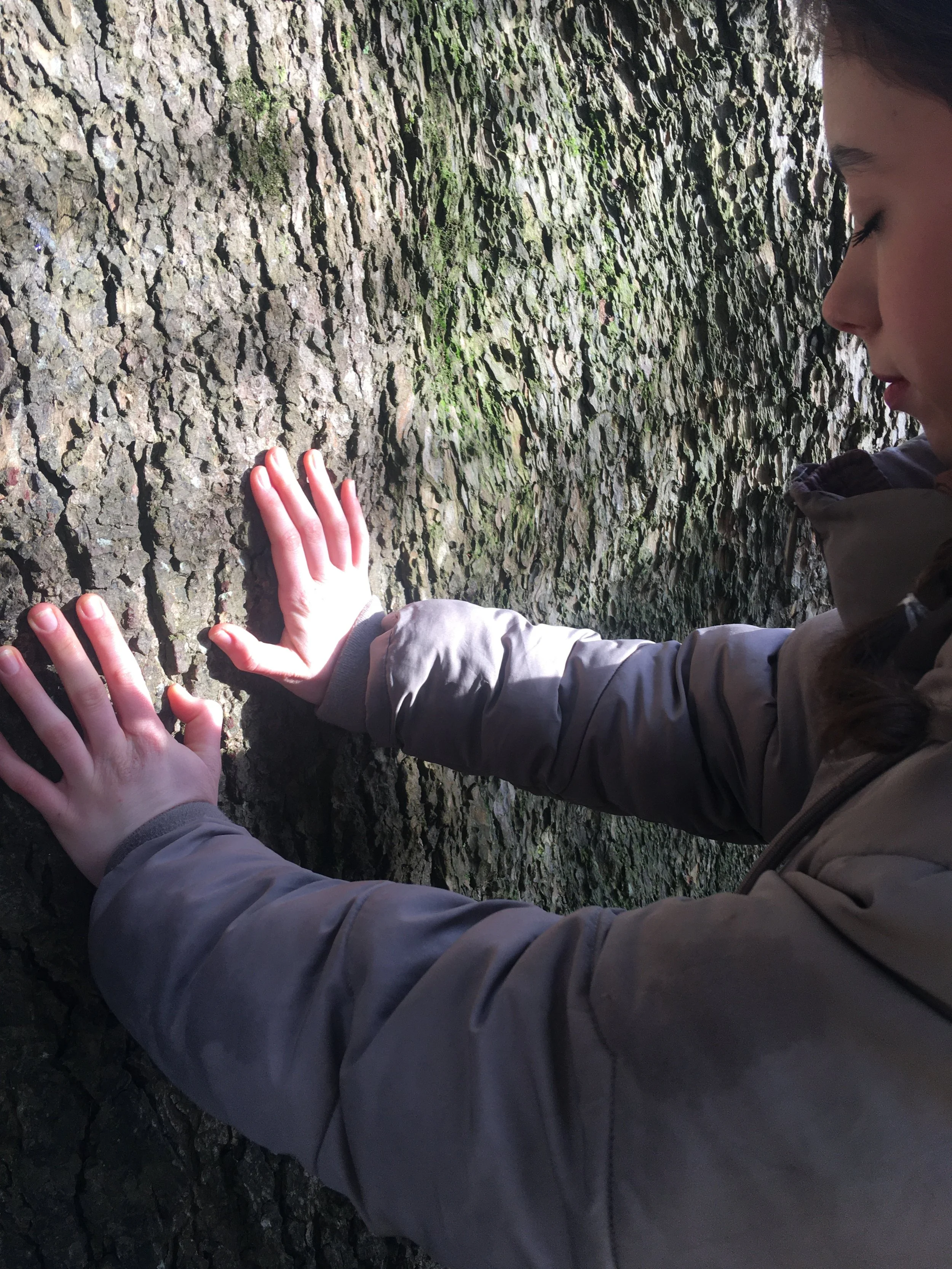
I am qualified as a forest therapy practitioner. Facilitating sessions with a holistic approach, I believe in the power of creativity and nature to impact on wellbeing. I am passionate about supporting others, to express creativity and connect to community.
Forest therapy, or Shinrin Yoku, is a nature practice that involves immersing yourself in the forest to improve your mental health and physical wellbeing. It's a conscious and contemplative experience that involves slowing down and using all your senses to appreciate nature. The connection between forest bathing and human immunity have been measured to show many beneficial effects. And has been scientifically proven to improve both physical and mental health.
Photography & fired Enamel
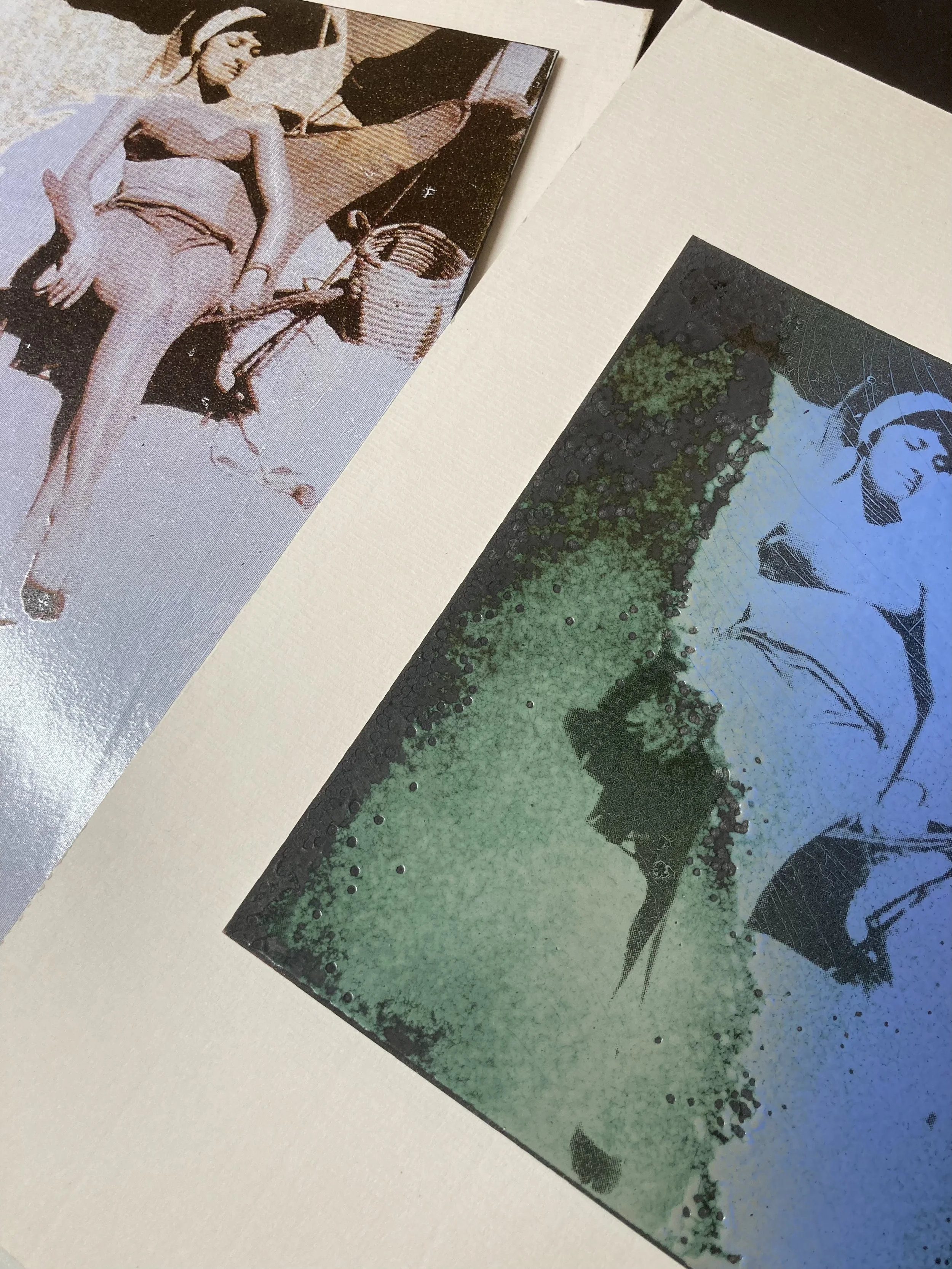
This image is one of my first photographic experiments with photographic layering-screen printing my own photographic decals back during my Masters degree in Multi Disciplinary Printmaking. I explored both using a single image and this more technical and time intensive method of colour separation. My thoughts are I much preferred the space for the experimental single firing of the image where I could play with process - over firing and the exposed metal - allowing the copper surface to be an intentional part of the design.
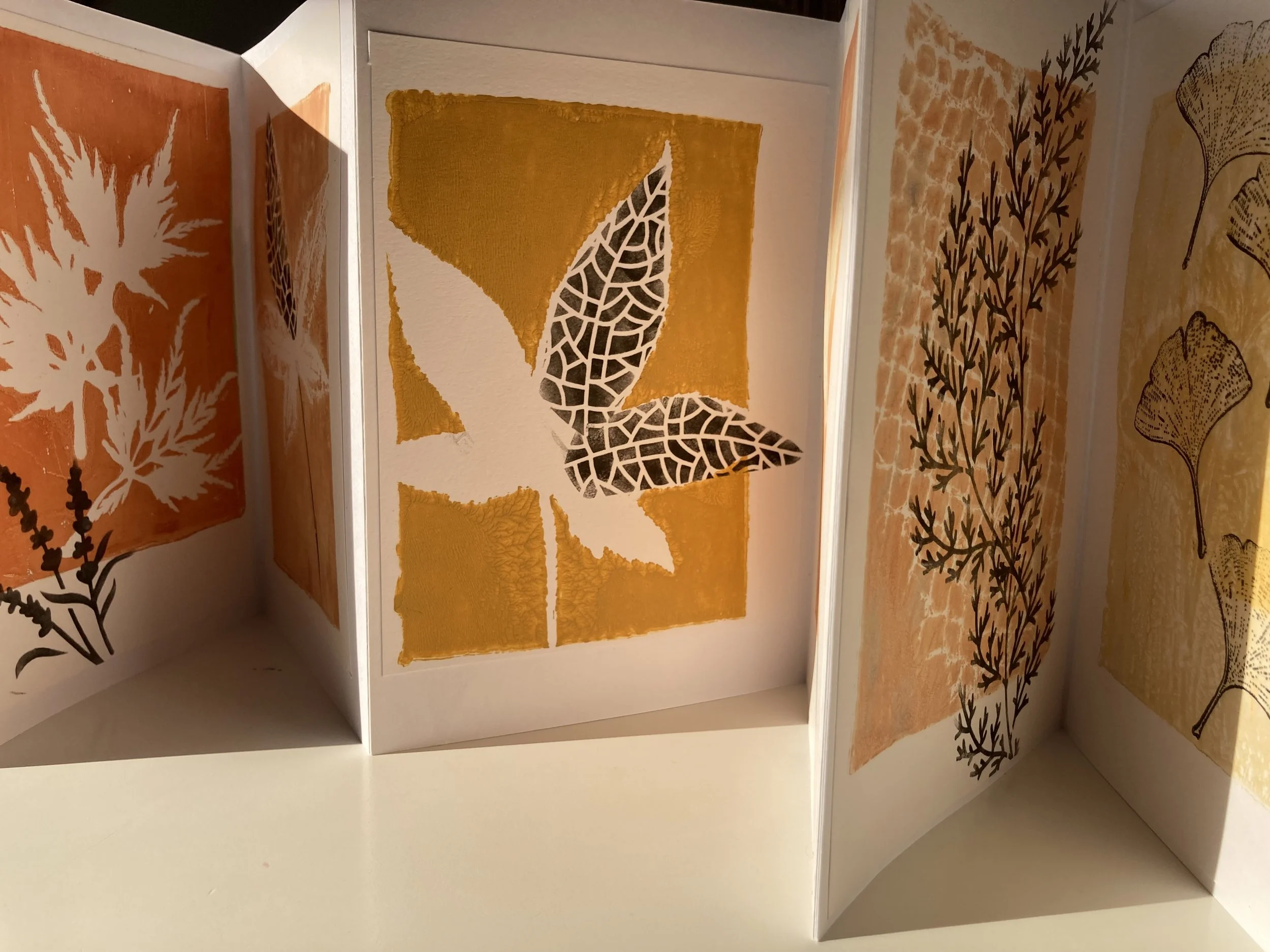
Reciprocity & shared experience
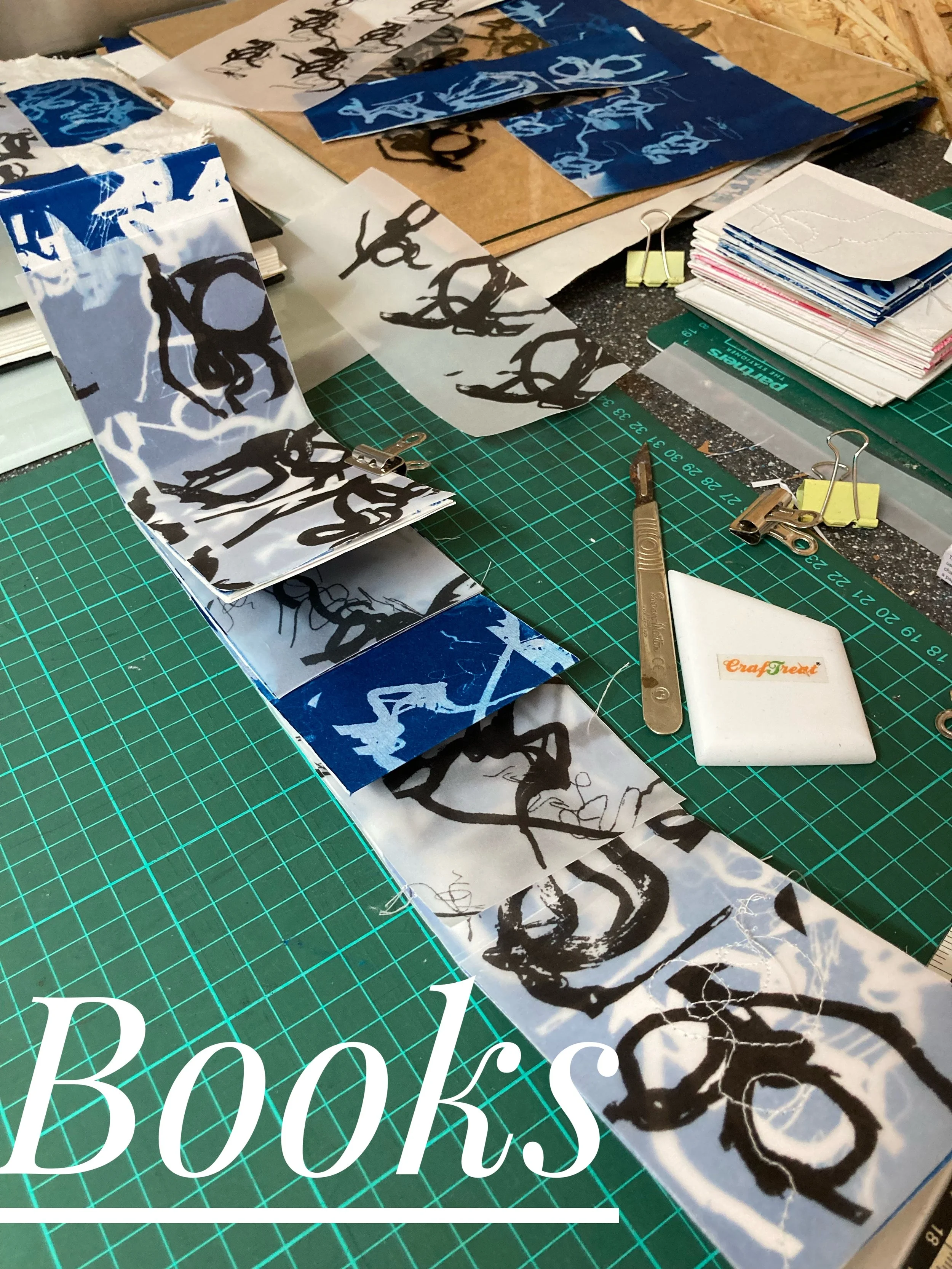
Co- creating and the shared experience with simple printing, stamping methods using the unbound book form. I enjoy how this method is so accessible to all and can be a really lovely way to begin a visual journal in a shared group working in a collaborative way to free up ideas and work together to watch things unfold
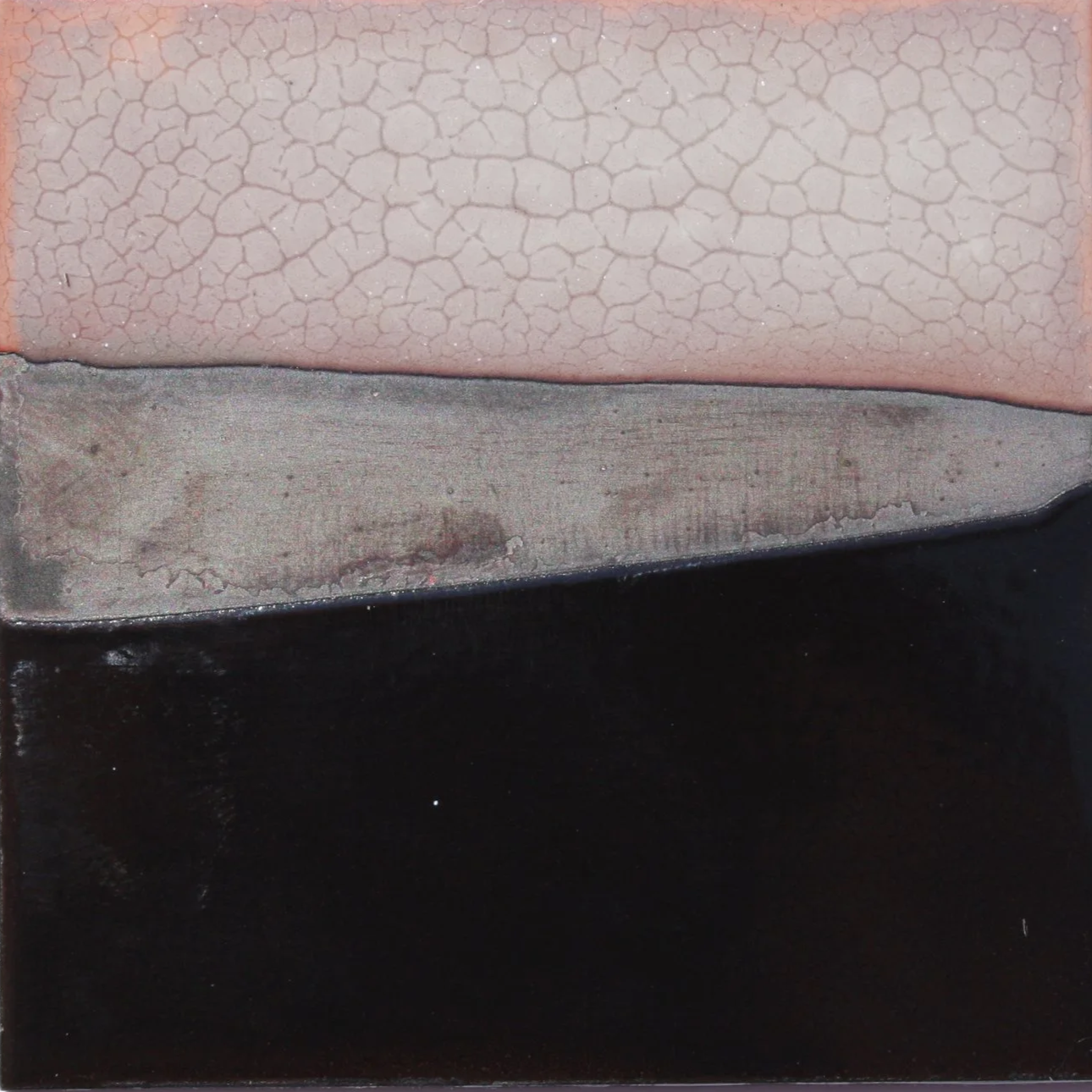
Wet process enamel
Unpredictable process of wet enamel
Further experimenting with the mystery of wet enamel process. Sometime ago, I made a series of enamel/copper landscape samples using this unpredictable medium. I failed to make notes on my findings - I am returning, like a beginner to this fascinating process with renewed curiosity and a lot more patience with myself. This time jotting down notes and reflections, however messy they will be there.
Inspired from my recent visit to The Japan House, London - showing the incredible Hyakko exhibition, 100+Makers from Japan. To begin, I will focus on using a limited palette of Royal blue, Black/White + transparent and recording the before and after with a photo - so much change happens in the firing that this visual diary will be a invaluable reflective tool for learning.
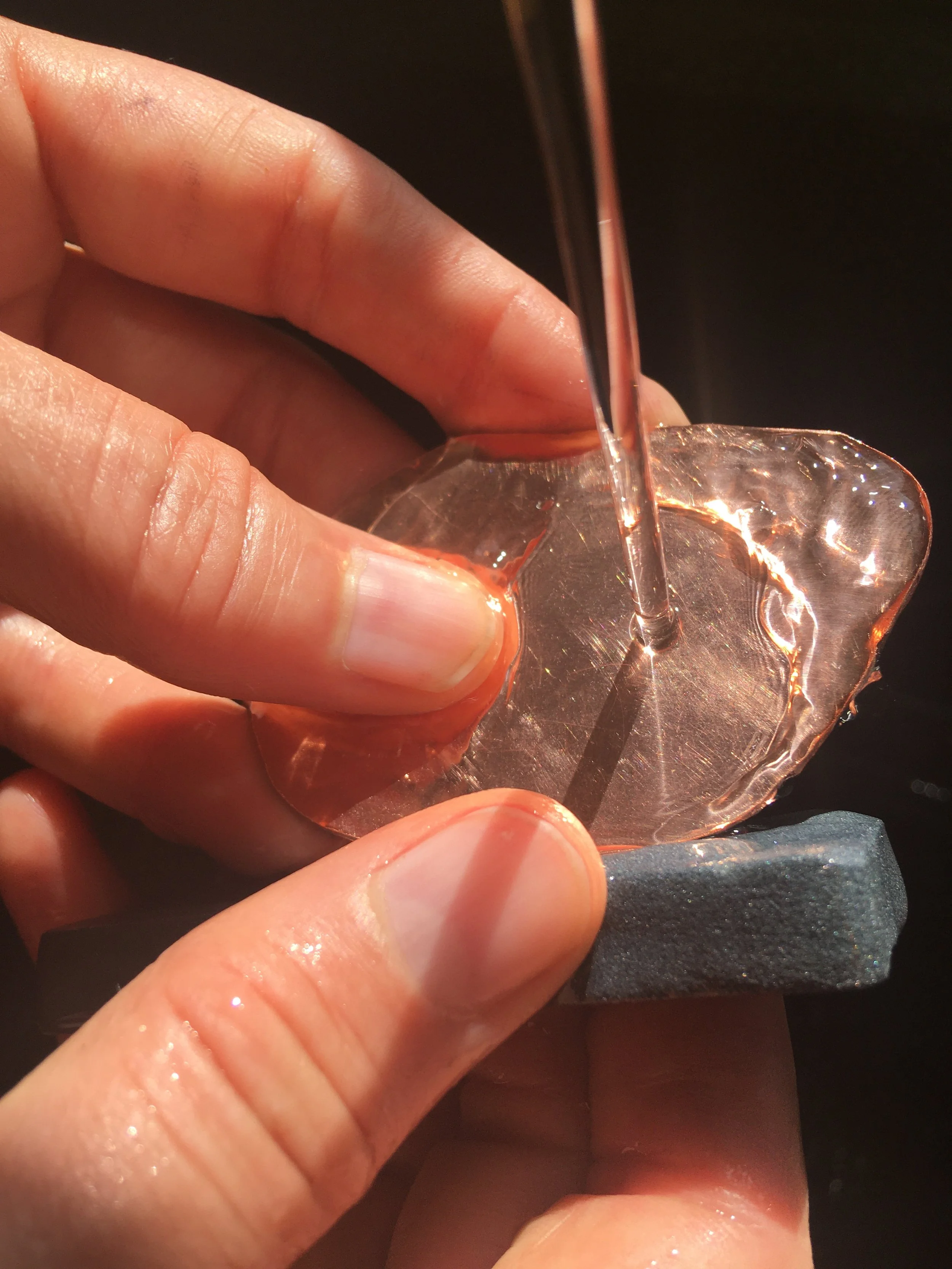
copper
The ritual of cleaning the copper
Preparation of the copper before enamelling can feel quite therapeutic, grinding the edges with a pumice stone and washing to de grease the surface reminds me of the cleaning of specimens after an archaeological dig. I love the potential that copper allows when fired, the beautiful oxides that occur when fired to a high heat, the over firing and the charcoal coloured matt- black tarnish that is the fire-scale. Then the reveal of the bare copper, a salmon-like warm colour when dipped back in to the pickle bath afterwards. It is a transformative process that requires me to observe, reflect and respond in equal measure and for me a constant source of challenge and change.